
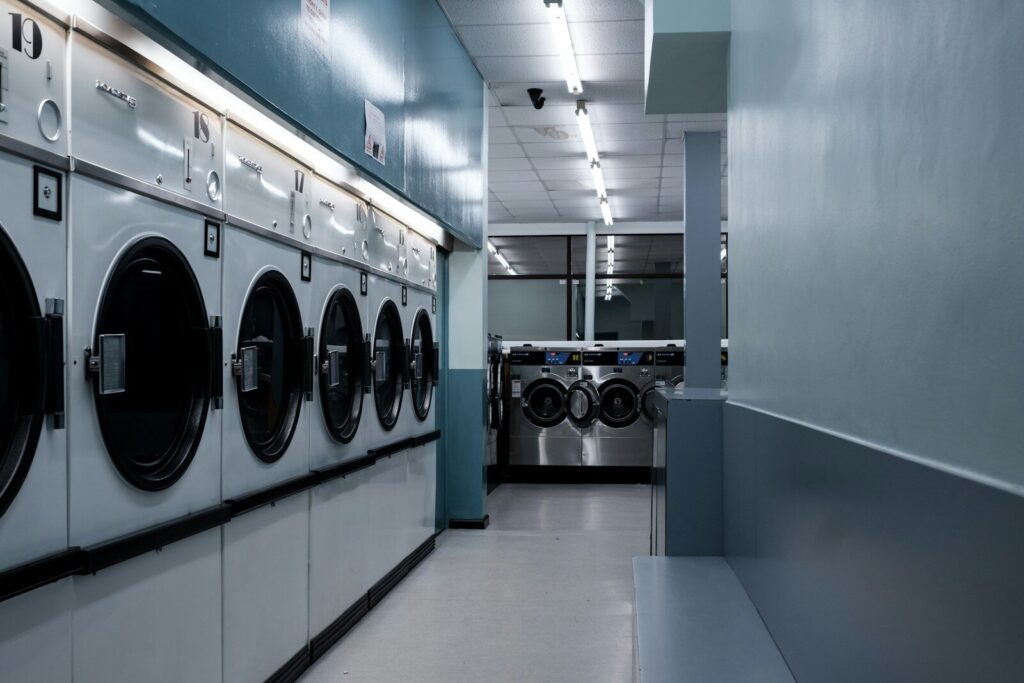
If you run a laundromat, manage a hotel, or oversee the facility operations for a care home, you already know the unvarnished truth: when the laundry stops, everything stops. Clean linens, sanitized towels, and fresh uniforms aren’t just details—they are the backbone of your day-to-day operations.
Yet, commercial laundry equipment often gets treated like the silent workhorse of the back room. People expect these industrial machines to run twelve hours a day, seven days a week, without missing a beat. But when an industrial washer leaks across the floor or a giant dryer loses heat right in the middle of a massive shift, the resulting headache is instant. Revenue drops, delays stack up, and stress levels spike.
Keeping these heavy-duty machines in top shape isn’t just about reacting when something breaks. It is about understanding how your equipment works, knowing how to spot early warning signs, and having a solid strategy for ongoing maintenance.
Why Commercial Units Demand a Different Mindset
It is tempting to think of an industrial washer or dryer as just a bigger version of the machine sitting in your home basement. In reality, they are entirely different beasts.
Residential washers handle a few loads a week. Commercial washers, on the other hand, handle hundreds of pounds of linen every single day. They rely on high-pressure water valves, powerful variable-frequency drives, heavy-duty bearings, and complex computerized control boards designed to handle continuous cycles.
Because the mechanical stress on commercial units is exponentially higher, minor issues multiply fast:
- Vibration: A slightly unbalanced drum on a high-extract washer can destroy bearings and shock absorbers within weeks if left uncorrected.
- Heat cycles: Commercial dryers run at high temperatures for hours straight, causing thermal expansion that accelerates wear on belts, rollers, and gas ignition systems.
- Chemical exposure: Industrial detergents, bleaches, and softeners are far more concentrated, which means seals and internal hoses degrade much faster if equipment isn’t routinely inspected.
Ignoring a small squeak or a slight delay in draining doesn’t just mean a minor inconvenience down the road. It usually means an expensive emergency repair and costly operational downtime.
Common Red Flags You Should Never Ignore
Your equipment will almost always tell you when it is struggling long before it completely shuts down. Train your staff to watch and listen for these early signs of trouble.
1. Strange Sounds During Spin Cycles
If a commercial washer starts sounding like a jet engine taking off, or if you hear a metallic grinding sound, your drum bearings are likely failing. Catching this early can save the drum assembly itself. If you wait until the bearing completely seizes, you might end up needing to replace the entire unit.
2. Extended Cycle Times
If a standard 30-minute wash cycle is suddenly taking 45 minutes, the machine is telling you something is wrong. Usually, this points to restricted water inlet valves, slow drainage caused by a clogged lint trap or drain valve, or an error in the electronic control board. Longer cycle times waste water, electricity, and labor hours.
3. Clothes Coming Out Dripping Wet
When an extractor fails to reach its full RPM, clothes retain excessive moisture. This puts a massive, unnecessary strain on your dryers, doubling their energy consumption and slowing down your overall turnaround time.
4. Clothes Taking Too Long to Dry
If your commercial dryer is running fine but taking two cycles to dry a single load, check your airflow immediately. Exhaust duct blockage is the number one killer of commercial dryers. Beyond being inefficient, clogged ductwork is a serious fire hazard.
5. Water or Oil Pool Under the Machine
Leaks never fix themselves. A small puddle of water underneath a washer could indicate a failing main seal, a cracked hose, or a faulty drain valve. If you see oil, it usually means a gearbox or drive transmission seal has blown, which requires immediate attention before internal gears grind themselves to dust.
The Role of Professional Maintenance and Repair
While daily cleaning and basic visual checks can be handled by your onsite team, complex mechanical and electrical issues demand expert technical care. Industrial laundry units operate under high voltage, high water pressure, and sometimes high gas pressure. Attempting complex DIY fixes on these systems can compromise safety and void equipment warranties.
Partnering with trained technicians who specialize in Commercial Laundry Equipment Repair
ensures that your machinery is serviced using manufacturer-grade parts and correct diagnostic protocols. Professional technicians don’t just fix the immediate breakdown—they analyze system performance, calibrate digital controls, check gas pressure, and inspect internal components for hidden wear that could trigger another breakdown next month.
Having a trusted repair partner on speed dial shifts your business operation from reactive firefighting to proactive management.
Preventive Maintenance: The Recipe for Long Equipment Life
The best repair is the one you never had to schedule because routine maintenance caught the problem first. Creating a structured maintenance checklist for your facility will save thousands of dollars over the lifespan of your machines.
Key Maintenance Best Practices to Implement Today
Keep the Airflow Moving
Dryers thrive on airflow. Even the highest-rated commercial dryer will perform poorly if it cannot expel moist air efficiently.
- Clean lint compartments every few hours during heavy operation.
- Inspect the main exhaust vent outside your building once a month to ensure dampers swing freely and are clear of debris.
- Schedule professional duct cleaning at least once a year to clear out accumulated fine lint that escapes screen traps.
Monitor Water Quality
Hard water is a quiet killer of commercial laundry machinery. Mineral deposits (scale) build up inside water inlet valves, heating elements, and internal piping. Over time, scale buildup reduces water flow, forces heating elements to work harder (leading to burnout), and degrades internal rubber seals.
If your facility operates in an area with hard water, installing a commercial-grade water softener isn’t an optional luxury—it is an investment that pays for itself by doubling the life of your plumbing hardware and improving detergent efficiency.
Train Staff on Proper Loading Techniques
Machine abuse is a leading cause of premature failure. Overloading an industrial washer puts massive strain on the drive motor, snaps belts, and damages the main bearings. Conversely, severe underloading can cause high-extract washers to go wildly out of balance during high-speed spin cycles, triggering emergency shutoffs or structural damage.
Make sure your team understands weight capacities. Posting clear loading guidelines near every machine helps prevent costly operator errors.
Calculating the True Cost of Downtime
When deciding whether to repair, maintain, or replace equipment, many business owners focus solely on the direct cost of the repair bill. However, the real cost of a broken machine extends far deeper into your operations:
- Labor Inefficiency: When staff members are forced to wait around for cycles to finish or wash loads twice because a machine underperformed, labor costs rise while productivity drops.
- Linen Inventory Damage: Faulty drum lifters, worn seals, or improper temperature regulation can tear, stain, or scorch expensive hotel sheets and linens, forcing early replacement.
- Outsourcing Emergency Costs: If your in-house laundry goes down entirely, you may have to pay premium rates to outsource laundry services to a third party just to keep your doors open.
- Customer Dissatisfaction: In hospitality or laundromat businesses, equipment breakdowns lead directly to poor customer experiences, bad reviews, and lost repeat business.
Investing in timely repairs and keeping a strict maintenance routine almost always costs a fraction of what you lose when a machine goes completely out of commission.
Knowing When to Repair vs. When to Replace
No piece of machinery lasts forever. While quality commercial equipment is built to run for 10 to 15 years (or even longer with meticulous care), there comes a point where repairing an aging machine no longer makes financial sense.
Here are a few guidelines to help you decide whether to fix it or swap it out:
- The 50% Rule: If the cost of a single repair approaches 50% of the cost of buying a new machine, replacement is usually the smarter long-term move.
- Frequency of Breakdowns: If a machine requires major repairs multiple times a year, it is consuming staff time and repair budget that would be better allocated toward a modern, energy-efficient replacement.
- Utility Efficiency Gains: Older machines consume significantly more water, gas, and electricity than modern units. Upgrading to newer high-efficiency equipment often lowers monthly utility bills enough to offset the purchase price over time.
- Availability of Parts: If replacement parts for your older model are discontinued or take weeks to source, keeping that machine as a critical operational unit becomes a liability.
Protecting Your Investment for the Long Run
Commercial laundry equipment represents a major capital investment for any business. The key to protecting that investment lies in daily discipline and quick action when things seem off.
Start by setting clear daily operational routines for your staff: clean lint traps, wipe down seals, keep loading weights accurate, and report minor leaks or noises immediately. Pair those daily habits with regular visits from qualified service professionals who can inspect the internal mechanics you can’t see.
When you treat your commercial laundry equipment with the care an industrial asset deserves, it yields clean linens, smooth daily operations, and predictable operating costs for years to come.



I’m going to tell my brother that he should also visit this blog on regular basis to be updated from most
recent reports.
Hello There. I found your blog the use of msn. That is a very well
written article. I’ll make sure to bookmark it and return to read extra of your useful information. Thank you for the post.
I will definitely return.