Picture this: someone posts a bold selfie online with a messy caption, neon-green aesthetic, chaotic confidence, and absolutely no apology for being “too much.” The comments flood in with phrases like “such a brat,” “brat energy,” or “that’s brat behavior.” A few years ago, being called a brat might have sounded insulting. Today, depending on the tone and context, it can mean confidence, rebellion, playfulness, emotional honesty, or even cultural coolness.
That shift is exactly why the phrase has become so interesting. Slang evolves faster than dictionaries can keep up, and words often transform from insults into identities, jokes, aesthetics, or compliments. The term “brat” is one of the clearest examples of how internet culture, music trends, social media humor, and younger generations reshape language in real time.
Understanding the slang meaning of “brat” matters because it appears everywhere now — in memes, TikTok captions, music discussions, relationships, and casual texting. But its meaning changes depending on tone, personality, and situation. Sometimes it describes a spoiled attitude. Other times it celebrates bold self-expression. This article explores every layer of the modern slang meaning of “brat,” including its origins, emotional undertones, online culture, misunderstandings, and real-life use.
What Does “Brat” Mean in Slang?
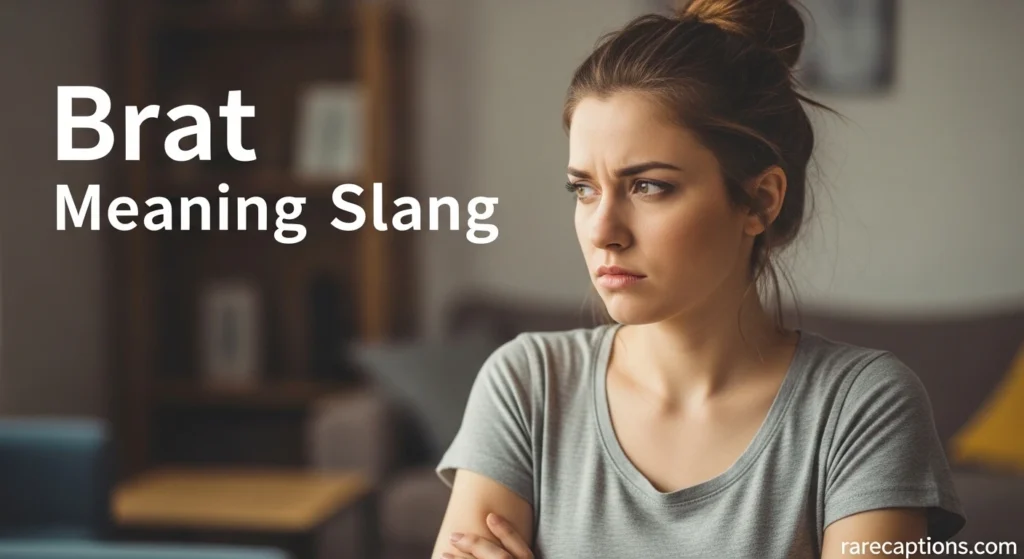
In modern slang, “brat” usually refers to someone who is playful, rebellious, demanding, emotionally expressive, stubborn, or confidently chaotic. The meaning can be negative, teasing, affectionate, or even empowering depending on context.
Traditionally, a brat was simply a badly behaved child — someone spoiled, rude, or difficult. Parents might say, “Stop acting like a brat.” That older definition still exists. But internet culture expanded the word into something more layered and self-aware.
Today, a person might proudly call themselves a brat to signal that they are unapologetic, emotionally dramatic, playful, mischievous, or resistant to social expectations. In some cases, it describes someone who enjoys pushing boundaries in a humorous way rather than through actual bad behavior.
For example:
- “She’s such a brat” could mean annoying and spoiled.
- “I’m in my brat era” could mean bold, carefree, stylish, and rebellious.
- “Brat energy” often refers to confidence mixed with chaos and attitude.
The slang works because it carries emotional contradiction. A brat can seem difficult yet charming, dramatic yet authentic, immature yet fearless. That tension is what makes the word culturally interesting.
Unlike many slang terms that have only one meaning, “brat” changes based on tone, friendship dynamics, online trends, and personality. It can be playful teasing between friends or a genuine criticism depending on how it is used.
The Original Meaning of “Brat” Before Slang Culture
Before social media transformed the term, “brat” had a much simpler meaning. It described a child who behaved poorly, especially one who seemed spoiled, disrespectful, or demanding.
Many people grew up hearing phrases like:
- “Don’t be a brat.”
- “That kid is spoiled.”
- “Stop whining like a brat.”
The word carried a negative emotional weight. It suggested selfishness, immaturity, and a refusal to cooperate. Teachers, parents, and older relatives often used it to criticize behavior.
What makes the modern evolution fascinating is that younger generations began reclaiming the word. Instead of rejecting the label entirely, people softened it, joked with it, and eventually turned it into a personality style.
Language often evolves this way. Words once considered harsh become humorous or empowering when communities adopt them differently. Similar changes happened with words like “weird,” “nerdy,” or “dramatic.” Once insults, they later became identity markers.
The original meaning still matters because traces of it remain inside the slang version. Even modern “brat energy” still implies stubbornness, attitude, or emotional intensity. The difference is that those qualities are no longer always viewed negatively.
In today’s culture, someone might intentionally act “bratty” as a form of humor, flirtation, or self-expression. The behavior becomes stylized rather than simply rude.
That transformation shows how slang reflects cultural shifts. Younger generations increasingly value authenticity, emotional openness, and individuality — even when messy or unconventional.
Why “Brat” Became Popular Online
The internet loves exaggerated personalities. That’s one reason the slang term “brat” exploded across social media platforms like TikTok, Instagram, and X.
Online culture rewards memorable energy. People who are loud, emotionally expressive, sarcastic, chaotic, stylish, or rebellious often attract attention quickly. “Brat” became a shorthand way to describe that vibe.
Another reason for the popularity is relatability. Many people feel exhausted by pressure to appear perfect, calm, and polite all the time. The “brat” persona rejects that pressure. It embraces flaws, mood swings, impulsiveness, and emotional honesty.
The Appeal of Controlled Chaos
Modern internet humor often celebrates chaos in a playful way. A “brat” personality might:
- Ignore expectations
- Make impulsive decisions
- Speak dramatically
- Refuse to act overly polished
- Joke about being emotionally unstable
Instead of hiding imperfections, the persona turns them into entertainment and identity.
Social Media and Personality Branding
Online platforms encourage people to create recognizable “aesthetics” or personal brands. “Brat energy” became one of those recognizable identities.
Someone might post:
- messy makeup looks
- rebellious fashion
- sarcastic captions
- bold opinions
- carefree lifestyle content
The word helps package all of that into a single vibe.
Importantly, most people using the term online are not literally describing serious bad behavior. They are usually describing playful rebellion, confidence, or emotionally expressive humor.
The Difference Between a “Brat” and a Toxic Person
One of the biggest misunderstandings about the slang term “brat” is assuming it always describes harmful behavior. In reality, modern usage often separates playful attitude from genuine toxicity.
A toxic person manipulates, disrespects boundaries, harms others emotionally, or creates unhealthy relationships. A brat, in slang culture, is usually more performative than destructive.
For example:
- A toxic person intentionally hurts feelings.
- A brat might jokingly complain dramatically for attention.
- A toxic person refuses accountability.
- A brat might act stubborn but still care deeply about others.
- A toxic person creates fear or emotional damage.
- A brat often creates playful tension or humor.
This distinction matters because internet culture exaggerates personalities for entertainment. Many “bratty” behaviors online are intentionally theatrical. People lean into sarcasm, exaggerated confidence, or dramatic reactions because audiences find them funny or relatable.
That said, context matters. Sometimes people excuse rude behavior by calling it “just brat energy.” That can blur important emotional boundaries.
Healthy self-expression still requires empathy and awareness. Confidence becomes unhealthy when it turns into cruelty or entitlement.
The slang version of “brat” works best when paired with self-awareness. It becomes less about hurting others and more about rejecting unrealistic expectations of perfection or constant politeness.
What “Brat Energy” Really Represents
“Brat energy” is less about specific actions and more about emotional atmosphere. It describes a vibe built around confidence, rebellion, emotional openness, humor, and unpredictability.
Someone with brat energy might:
- say exactly what they feel
- refuse to shrink themselves socially
- joke dramatically
- act impulsively
- challenge expectations
- embrace messy authenticity
At its core, brat energy often represents freedom from constant self-monitoring.
Many people spend years trying to appear agreeable, calm, mature, or socially acceptable at all times. Brat energy pushes against that pressure by celebrating personality intensity instead.
Confidence Without Apology
A major part of brat culture is refusing to constantly apologize for existing loudly. That does not mean disrespecting others. It means allowing yourself to take up emotional space.
For some people, this feels empowering because they spent years suppressing emotion or individuality.
Humor and Self-Awareness
Most brat-related humor contains self-awareness. People know they are being dramatic. That awareness makes the behavior playful rather than genuinely hostile.
For example:
- “I’m being such a brat today.”
- “Sorry, brat mode activated.”
The humor softens the attitude and turns it into personality expression instead of conflict.
How Music and Pop Culture Influenced the Word
Pop culture has always shaped slang, and “brat” became especially popular through music aesthetics, celebrity culture, and internet-driven fashion trends.
Artists who project rebellious confidence often inspire audiences to adopt similar language. Bold styling, emotional honesty, carefree partying, and anti-perfection attitudes helped push “brat” into mainstream internet vocabulary.
The word became connected with:
- neon aesthetics
- chaotic confidence
- unapologetic femininity
- emotional intensity
- rebellious self-expression
Music culture especially amplified the idea that being messy, loud, or emotionally dramatic could feel empowering rather than embarrassing.
The Rise of the “Brat Era”
People now describe periods of personal transformation as entering their “brat era.” This usually means:
- becoming more confident
- caring less about judgment
- embracing individuality
- expressing emotions more openly
- acting more spontaneous
The phrase often reflects emotional liberation rather than immaturity.
Fashion and Visual Identity
Visual style also contributed to the slang meaning. “Brat” aesthetics often include:
- bold makeup
- edgy fashion
- playful chaos
- party-inspired visuals
- rebellious styling choices
These aesthetics help turn the slang into a recognizable cultural identity rather than just a word.
How “Brat” Is Used in Relationships and Flirting
In relationships, the term “brat” often becomes affectionate or teasing. Partners may use it playfully to describe someone stubborn, mischievous, emotionally dramatic, or intentionally difficult in a cute way.
Tone matters enormously here.
For example:
- “You’re such a brat” can sound flirtatious and affectionate.
- “Stop being a brat” can sound irritated and critical.
The emotional context changes everything.
Playful Emotional Dynamics
Some people enjoy playful tension in relationships. A bratty personality can create teasing banter, humor, and emotional spark.
Examples include:
- mock complaining
- playful stubbornness
- dramatic reactions
- teasing defiance
When both people understand the humor, it creates emotional chemistry rather than conflict.
When It Crosses a Line
Problems happen when playful behavior becomes disrespectful. Healthy relationships still require:
- communication
- empathy
- accountability
- mutual respect
Using “brat” affectionately should never justify manipulation or emotional cruelty.
The healthiest use of the term happens when both people clearly understand the tone and boundaries involved.
The Psychological Appeal of the “Brat” Persona
Why are so many people drawn to this identity? The answer often connects to emotional freedom.
Many individuals grow up feeling pressure to:
- behave perfectly
- avoid conflict
- suppress emotions
- stay agreeable
- appear mature constantly
The brat persona pushes against those expectations.
It allows people to express:
- frustration
- confidence
- impulsiveness
- vulnerability
- humor
- emotional intensity
without feeling ashamed.
Emotional Honesty
Brat culture often values emotional transparency over emotional polish. Someone might openly admit:
- “I’m jealous.”
- “I want attention.”
- “I’m emotional today.”
That honesty can feel refreshing in a culture where people often hide their true feelings.
Rebellion Against Perfectionism
Many people are exhausted by pressure to constantly optimize themselves. The brat persona rejects the idea that every emotion must look graceful or mature.
Instead, it embraces humanity in all its messiness.
That emotional realism is part of why the slang resonates so strongly online.
Common Misunderstandings About the Slang
Because the word has both old and new meanings, misunderstandings happen constantly.
Some people hear “brat” and think only of spoiled children. Others use it as a trendy compliment. These different interpretations can create confusion between generations or social groups.
Misunderstanding #1: It Always Means Rude
Not necessarily. In modern slang, it often describes playful confidence or chaotic humor rather than actual disrespect.
Misunderstanding #2: It Is Always Positive
Also false. Depending on tone, “brat” can still absolutely be insulting.
For example:
- “She’s acting like a brat” may criticize immaturity.
- “She has brat energy” may praise bold personality.
Misunderstanding #3: It Encourages Bad Behavior
Most online usage is exaggerated performance, not literal advice to mistreat people. The aesthetic is usually more about emotional expression and rebellion than real selfishness.
Misunderstanding #4: Only Young People Use It
While younger generations popularized the modern slang version, the word now appears across wider internet culture, fashion spaces, and casual conversations.
Understanding tone and context is the key to interpreting the word correctly.
Real-Life Examples of “Brat” Slang in Conversation
Seeing the slang in action makes it easier to understand.
Example 1: Friendly Teasing
Friend 1: “You stole my fries again.” Friend 2: “I can’t help it.” Friend 1: “You’re such a brat.”
Here, the word sounds playful and affectionate.
Example 2: Social Media Caption
“Entering my brat era and honestly loving it.”
This suggests confidence, rebellion, and emotional freedom.
Example 3: Genuine Criticism
“He threw a tantrum because he didn’t get his way. Total brat behavior.”
This usage stays close to the traditional negative meaning.
Example 4: Romantic Flirting
“You look cute when you act bratty.”
Here, the word becomes flirtatious and teasing.
These examples show why tone matters more than the word itself. Context determines whether it feels playful, empowering, affectionate, or insulting.
How Generational Differences Affect the Meaning
Older generations often interpret “brat” more negatively because they grew up with the traditional definition. Younger internet users are more likely to see it as layered, humorous, or aesthetic.
This generational gap reflects broader cultural differences around emotion and identity.
Older perspectives often value:
- politeness
- restraint
- emotional control
- traditional maturity
Younger internet culture often celebrates:
- authenticity
- emotional openness
- individuality
- self-expression
As a result, younger people may intentionally embrace labels older generations reject.
Why This Happens With Slang
Slang evolves through cultural rebellion. Younger generations frequently redefine words to create identity and distance themselves from older social expectations.
“Brat” fits perfectly into that pattern because it transforms a criticism into a playful identity.
That transformation does not erase the original meaning. Instead, both meanings now exist simultaneously.
This dual meaning is why context has become essential when interpreting modern slang.
The Connection Between “Brat” and Internet Identity
Modern internet culture encourages people to build recognizable personalities online. “Brat” became part of that identity-building process because it communicates emotional style quickly.
Someone describing themselves as a brat may be signaling:
- confidence
- unpredictability
- humor
- emotional intensity
- rebelliousness
- stylish chaos
The label becomes shorthand for a personality type.
Online Personas and Performance
Social media often turns personality into performance. People exaggerate traits for entertainment, relatability, or aesthetic appeal.
A person may act more dramatic online than in real life because audiences respond strongly to emotional expression.
That performative element is important. Many “brat” personas are intentionally amplified versions of real personality traits.
Why Audiences Connect With It
People connect with imperfect personalities because they feel human. Watching someone embrace flaws, chaos, or emotional honesty can feel more relatable than watching someone appear perfectly polished all the time.
That relatability is part of what keeps the slang culturally relevant.
When Calling Someone a “Brat” Can Be Offensive
Even though the slang is often playful, it can still hurt depending on delivery and relationship dynamics.
Tone, history, and emotional context matter deeply.
For example:
- teasing a close friend may feel harmless
- calling a stranger a brat may feel insulting
- criticizing someone emotionally during conflict may sound dismissive
The word can become offensive when it:
- minimizes genuine emotions
- sounds condescending
- attacks maturity
- mocks vulnerability
- dismisses boundaries
Reading the Situation Matters
Not everyone enjoys playful labels. Some people associate “brat” with childhood criticism or emotional invalidation.
Understanding the relationship dynamic matters more than following internet trends.
Respect Still Comes First
Slang evolves constantly, but emotional intelligence remains important. A playful word should never become an excuse to disrespect someone’s feelings or identity.
The healthiest communication balances humor with awareness and empathy.
Lessons We Can Learn From the Popularity of “Brat”
The rise of “brat” slang reveals something bigger about modern culture: people are craving authenticity more than perfection.
Many individuals feel tired of carefully controlled identities. They want space to:
- express emotion honestly
- reject unrealistic standards
- laugh at their imperfections
- act boldly without constant shame
The popularity of the term reflects that emotional shift.
Imperfection Feels More Human
People increasingly trust personalities that feel emotionally real rather than overly polished. Messiness, humor, and vulnerability create connection.
Identity Is Becoming More Fluid
Modern slang allows people to experiment with identity playfully. Someone can adopt “brat energy” temporarily without defining their entire personality around it.
Humor Helps People Cope
Many slang trends become popular because they turn emotional experiences into humor. Calling yourself a brat can sometimes soften insecurity, stress, or emotional chaos through self-aware comedy.
Ultimately, the word’s popularity reflects changing attitudes toward self-expression, confidence, and emotional honesty.
Conclusion
The slang meaning of “brat” is far more complex than its original definition. What once described a spoiled child has evolved into a layered cultural term associated with confidence, playful rebellion, emotional openness, humor, and unapologetic self-expression. Depending on tone and context, it can be affectionate, teasing, empowering, critical, or aesthetic.
That complexity is exactly why the term became so popular online. Modern internet culture values personality, authenticity, and emotional intensity, even when messy or chaotic. “Brat energy” captures the idea that people no longer want to appear perfectly polished all the time. Instead, many are embracing individuality, vulnerability, and expressive confidence.
Still, context matters. The word can feel playful in one situation and insulting in another. Understanding tone, relationships, and emotional boundaries is essential. In the end, the evolution of “brat” shows how language constantly adapts to culture — reflecting not just how people speak, but how they see themselves.
FAQs
What does “brat” mean in slang?
In slang, “brat” usually describes someone playful, rebellious, emotionally expressive, stubborn, or confidently chaotic. It can be teasing, affectionate, or empowering depending on context.
Is calling someone a brat an insult?
Sometimes yes, sometimes no. It can still be insulting if used critically, but in modern slang it is often playful, flirtatious, or connected to confident self-expression.
What is “brat energy”?
“Brat energy” refers to a bold, emotionally expressive, rebellious, and unapologetic personality vibe often associated with humor and confidence.
Why is the word “brat” trending online?
The term became popular because internet culture celebrates authenticity, emotional openness, playful chaos, and strong personality aesthetics.
Can adults call themselves brats?
Yes. In modern slang, adults often use the term humorously or stylistically to describe confidence, stubbornness, emotional intensity, or rebellious personality traits.
Does “brat” always mean spoiled?
No. While the traditional meaning involved spoiled behavior, modern slang expanded the term into something broader and often more playful or empowering.
How do you know whether “brat” is positive or negative?
Tone and context determine the meaning. Friendly teasing, social media captions, and playful conversations often make it positive, while criticism or arguments may make it negative.
What does “brat era” mean?
“Brat era” usually refers to a period where someone embraces confidence, emotional freedom, individuality, spontaneity, and unapologetic self-expression.
Is “brat” mostly used by younger generations?
Younger generations helped popularize the modern slang meaning online, but the term is now widely recognized across internet culture and social media spaces.