You’re scrolling through messages late at night when a friend suddenly replies with “gbts.” No punctuation. No explanation. Just four letters sitting there like a secret code. For a moment, you pause and wonder whether it’s slang, a typo, or something everyone else already understands except you. That tiny moment of confusion is something almost everyone experiences in today’s fast-moving digital world.
Texting language evolves constantly. New abbreviations appear on social media, gaming chats, group conversations, and messaging apps almost overnight. Some become universally recognized, while others stay niche and mysterious. “GBTS” is one of those terms that often leaves people curious because its meaning can change depending on context, tone, and who is using it.
Understanding text abbreviations matters more than people realize. They shape online communication, influence relationships, and even affect how emotions are interpreted through screens. In this article, we’ll explore the meaning of GBTS in text, where it comes from, how people use it, possible interpretations, emotional context, common misunderstandings, and practical ways to respond when you encounter it in real conversations.
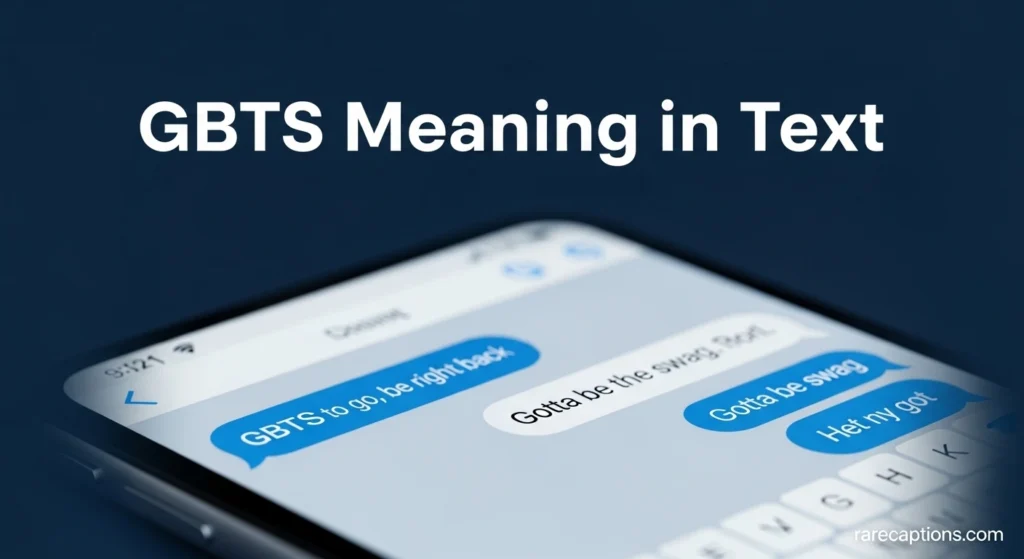
What Does GBTS Mean in Text?
The abbreviation “GBTS” most commonly stands for “Go Back To Sleep.” It is usually used in casual texting conversations when someone is awake unusually late, overthinking, stressed, bored, or texting at odd hours. The phrase often carries a playful, caring, or teasing tone depending on the relationship between the people involved.
Imagine messaging a friend at 3:00 a.m. about a random life crisis or sharing memes instead of sleeping. After several dramatic messages, they simply reply: “gbts.” In that moment, the abbreviation acts almost like a digital nudge saying, “You need rest more than this conversation.”
The phrase works because it is short, quick, and emotionally familiar. People texting late at night often want comfort, humor, or companionship. Saying “Go Back To Sleep” can sound lighter and friendlier than giving serious advice.
However, context matters greatly. Some people may use GBTS sarcastically, especially during arguments or annoying conversations. Others use it affectionately with close friends, siblings, or partners.
Because texting lacks facial expressions and voice tone, the emotional meaning behind GBTS depends heavily on the surrounding messages. The same abbreviation can feel caring in one conversation and dismissive in another.
That flexibility is part of why modern texting slang continues to evolve so quickly.
Why Text Abbreviations Like GBTS Exist
Human communication naturally becomes faster over time. Text abbreviations developed because people wanted quicker ways to express thoughts without typing full sentences repeatedly.
In earlier internet culture, character limits and slow typing on mobile devices encouraged shorter phrases. Abbreviations like “LOL,” “BRB,” and “IDK” became part of everyday communication. GBTS follows the same pattern.
But speed is only one reason these abbreviations exist. They also create emotional shorthand between people. A simple four-letter phrase can communicate familiarity, humor, annoyance, or care instantly.
Emotional Efficiency in Texting
Modern conversations often happen while multitasking. Someone may text while commuting, studying, gaming, or lying in bed half asleep. Abbreviations reduce effort while preserving emotional intent.
For example:
- “Go back to sleep, you need rest” feels complete and nurturing.
- “gbts” feels casual, relaxed, and socially natural in online culture.
The shorter version mirrors how people actually interact digitally.
Shared Internet Culture
Using abbreviations can also signal belonging. When people understand certain slang naturally, it creates a feeling of being part of the same online culture or generation.
Someone unfamiliar with GBTS may feel temporarily excluded or confused. That’s why decoding texting slang has become increasingly important in social communication.
These small phrases shape how people connect online, especially among younger users who rely heavily on quick digital interactions.
The Most Common Situations Where GBTS Is Used
GBTS usually appears in specific conversational settings. Understanding those situations makes the meaning easier to recognize naturally.
Late-Night Conversations
This is the most common scenario. Someone is awake far too late and messaging friends instead of sleeping.
Example:
- “I just remembered something embarrassing from 2017.”
- “gbts.”
Here, the abbreviation humorously suggests that exhaustion is causing unnecessary overthinking.
Emotional Overthinking
People often spiral emotionally late at night. GBTS can gently interrupt that cycle.
Example:
- “What if everyone secretly dislikes me?”
- “gbts lol.”
In this context, the sender may be trying to calm the other person without sounding overly serious.
Random Midnight Energy
Some people become extremely talkative or chaotic after midnight. Friends may respond with GBTS as playful teasing.
The phrase works almost like a modern digital equivalent of saying: “You’re clearly tired.”
Group Chats
In active group chats, one person sometimes continues messaging long after everyone else is mentally done. GBTS becomes a collective joke encouraging sleep.
Its popularity comes from how relatable these situations are. Nearly everyone has experienced late-night texting energy at some point.
How Tone Changes the Meaning of GBTS
Tone is everything in text communication. Without vocal cues, even harmless abbreviations can feel warm or cold depending on context.
Caring Tone
When used gently, GBTS can feel comforting.
Example: “You’ve been stressed all day. gbts ❤️”
The phrase becomes affectionate and supportive.
Teasing Tone
Friends often use it jokingly.
Example: “You’re making zero sense rn. gbts.”
This version feels playful rather than serious.
Dismissive Tone
Sometimes GBTS can feel rude or impatient.
Example: “I’m trying to explain something important.” “gbts.”
Without emotional context, it may sound like the sender does not care.
Flirty Tone
Surprisingly, some people use GBTS flirtatiously during late-night conversations.
Example: “You should sleep before I start missing you more.” “gbts then.”
In romantic conversations, the phrase can feel intimate because it reflects concern and emotional closeness.
Understanding tone requires reading the entire conversation rather than focusing only on the abbreviation itself.
Why People Use GBTS Instead of Full Sentences
Abbreviations are not always about laziness. Often, they shape emotional atmosphere in ways full sentences cannot.
Typing “Go back to sleep” fully can sound parental or overly serious. Writing “gbts” softens the message and keeps the interaction casual.
This matters because texting culture values conversational flow. People often avoid sounding too formal in relaxed chats.
Digital Personality
Short phrases help establish online personality. Someone who frequently uses abbreviations may appear:
- Relaxed
- Funny
- Internet-savvy
- Emotionally casual
- Socially current
Meanwhile, full sentences sometimes feel emotionally heavier.
Preserving Humor
Humor in texting often depends on brevity. GBTS works partly because it arrives suddenly and efficiently.
A dramatic midnight rant answered by a simple “gbts” creates comedic contrast.
Reducing Emotional Intensity
Sometimes people want to show concern without sounding overly emotional. GBTS allows them to acknowledge someone’s situation lightly.
This subtle emotional balance explains why abbreviations remain powerful in digital communication.
Common Misunderstandings About GBTS
Because GBTS is not universally standardized, misunderstandings happen frequently.
Some people assume it refers to a fandom, organization, or unrelated slang term. Others mistake it for typing errors.
Assuming Every Abbreviation Has One Meaning
Internet slang evolves organically. Different communities may assign different meanings to the same letters.
While “Go Back To Sleep” is common, context still matters.
Misreading Emotional Intent
One major challenge in texting is interpreting emotional tone accurately.
Someone may send GBTS affectionately, but the receiver interprets it as dismissive or rude. This happens because text removes vocal warmth and facial expressions.
Generational Confusion
Older users sometimes struggle with modern shorthand because newer abbreviations spread rapidly through TikTok, gaming culture, and private group chats.
Meanwhile, younger users may assume everyone automatically understands these phrases.
This communication gap can create awkward moments where people pretend to understand slang they actually do not recognize.
GBTS and Late-Night Digital Culture
The popularity of GBTS reflects a larger truth about modern communication: many emotional conversations happen late at night.
Nighttime texting has its own culture. People become more vulnerable, dramatic, reflective, or emotionally honest after dark.
Why Conversations Feel Different at Night
During quiet hours, distractions disappear. Thoughts feel louder. People replay memories, worries, relationships, and insecurities.
That emotional atmosphere creates ideal conditions for phrases like GBTS to thrive.
The Humor of Sleep Deprivation
Online culture often jokes about insomnia and overthinking.
Examples include:
- Sending memes at 2 a.m.
- Deep philosophical conversations before sunrise
- Emotional confessions during exhaustion
- Random bursts of chaotic energy
GBTS captures this shared experience perfectly. It acts as both a joke and gentle advice.
Digital Comfort
Sometimes the phrase represents care more than criticism. Friends who say “gbts” may actually be expressing: “You deserve rest.”
That hidden emotional layer makes the abbreviation surprisingly human despite its simplicity.
Different Interpretations Depending on Relationships
The meaning of GBTS changes dramatically depending on who sends it.
Between Close Friends
Among friends, the phrase usually feels teasing and familiar.
It may reflect emotional comfort because close friends often joke openly about each other’s late-night behavior.
Between Romantic Partners
Couples sometimes use GBTS affectionately.
Example: “You need sleep, babe. gbts.”
Here, it functions almost like caretaking language.
Between Strangers
If someone unfamiliar uses GBTS abruptly, it may feel dismissive or confusing.
Without established trust, abbreviations can appear emotionally distant.
In Gaming Communities
Gaming chats frequently use shorthand communication during late-night sessions.
A tired player making mistakes might receive “gbts” jokingly from teammates.
Relationship context changes not only interpretation but emotional impact.
The Psychology Behind Short Digital Phrases
Short online phrases affect emotions more than people expect.
Texting abbreviations create rapid emotional reactions because the brain fills in missing context automatically.
Minimal Words, Maximum Interpretation
A single abbreviation can trigger multiple assumptions:
- Are they joking?
- Are they annoyed?
- Are they concerned?
- Are they flirting?
This uncertainty makes digital communication emotionally complex.
Why People Prefer Informal Language
Informal texting feels socially safer. It reduces vulnerability.
Saying: “Go back to sleep. You’ve had a long day.” reveals emotional investment.
Meanwhile: “gbts” keeps emotional distance while still expressing the same basic idea.
The Brain and Familiar Patterns
Repeated exposure to slang builds familiarity. Once people understand abbreviations naturally, conversations flow faster and feel more socially connected.
That is why internet slang spreads rapidly through friend groups and online communities.
How to Respond When Someone Says GBTS
The best response depends entirely on the tone and situation.
Playful Responses
If the conversation feels lighthearted:
- “Never.”
- “Sleep is for the weak.”
- “You first.”
These responses keep the humor alive.
Affectionate Responses
In caring conversations:
- “Probably should honestly.”
- “Goodnight then.”
- “Fine, but only because you said so.”
These replies acknowledge emotional warmth.
Clarifying Confusion
If you genuinely do not know the meaning, asking is completely acceptable.
Example: “Wait what does gbts mean?”
Most people will explain casually without judgment.
Handling Rudeness
If the phrase feels dismissive during a serious conversation, context matters. Sometimes it helps to clarify emotional intent directly instead of assuming hostility.
Digital misunderstandings often come from missing tone rather than actual bad intentions.
How Internet Slang Evolves Over Time
GBTS represents a broader pattern in internet language evolution.
Online slang changes constantly because digital culture moves quickly. Social media platforms accelerate this process by spreading phrases across massive audiences almost instantly.
From Niche to Mainstream
Many abbreviations begin in small communities before reaching broader audiences.
A phrase may start in:
- Gaming servers
- TikTok comments
- Private friend groups
- Meme culture
- Online forums
Eventually, it spreads into everyday texting.
The Role of Humor
Humor drives slang popularity. Funny abbreviations survive because people enjoy repeating them.
GBTS succeeds partly because it captures a relatable emotional situation with minimal effort.
Changing Meanings
Internet slang rarely stays fixed forever. Meanings shift depending on culture, trends, and generation.
That flexibility keeps online communication creative but occasionally confusing.
Why Understanding Slang Improves Communication
Learning digital slang is not only about staying trendy. It improves social understanding.
Misinterpreting online language can create unnecessary confusion, awkwardness, or emotional misunderstandings.
Better Relationship Awareness
Recognizing phrases like GBTS helps people understand emotional tone more accurately.
A caring message should not accidentally feel rude simply because the abbreviation is unfamiliar.
Increased Digital Confidence
People who understand internet slang navigate online spaces more comfortably.
They can:
- Participate naturally in conversations
- Recognize jokes faster
- Avoid misunderstandings
- Communicate more smoothly
Cultural Awareness
Modern communication increasingly happens online. Slang reflects broader social behavior, humor, emotional habits, and generational trends.
Understanding these patterns helps people connect across different digital communities.
When GBTS Can Be Misused
Like many internet phrases, GBTS can become insensitive if used carelessly.
Dismissing Real Emotions
If someone is expressing genuine emotional pain, replying only with “gbts” may feel invalidating.
For example:
- Anxiety
- Loneliness
- Serious stress
- Relationship struggles
These situations often require empathy rather than shorthand humor.
Overusing Irony
Internet culture sometimes relies heavily on sarcasm and emotional detachment. Constant joking can make sincere communication harder.
While GBTS is usually harmless, emotional awareness still matters.
Reading the Situation Carefully
Healthy communication involves understanding when humor helps and when genuine support is needed.
A thoughtful response occasionally matters more than clever slang.
That balance is an important life skill in digital communication.
The Future of Texting Abbreviations
Text slang will likely continue evolving faster than ever.
New apps, trends, memes, and online communities constantly create fresh vocabulary. Some abbreviations disappear quickly while others become permanent parts of internet culture.
Faster Communication Habits
People increasingly communicate through:
- Short videos
- Voice notes
- Emojis
- Memes
- Abbreviations
Digital communication rewards speed and emotional efficiency.
Human Creativity Online
Even simple phrases like GBTS show how creatively humans adapt language. Four letters can carry humor, care, sarcasm, exhaustion, and social connection simultaneously.
Staying Adaptable
No one can memorize every slang term forever. What matters more is learning how to interpret context, tone, and emotional intention.
That skill remains valuable regardless of how language changes in the future.
Conclusion
GBTS may look like just another random internet abbreviation, but it reflects something much deeper about modern communication. Most commonly meaning “Go Back To Sleep,” the phrase captures the humor, exhaustion, emotional honesty, and casual connection that define so many online conversations today. Its meaning changes depending on tone, relationships, and context, which is why understanding digital slang requires more than memorizing definitions.
As texting culture continues evolving, abbreviations like GBTS remind us how adaptable human language really is. People constantly create faster, funnier, and emotionally layered ways to communicate through screens. Whether the phrase is used playfully, affectionately, or sarcastically, the real message often depends on the relationship behind the words.
The next time someone texts “gbts,” you probably will not feel confused anymore. Instead, you’ll recognize the emotion, humor, or intention hiding inside those four simple letters.
FAQs
What does GBTS stand for in text?
GBTS most commonly stands for “Go Back To Sleep.” It is often used during late-night conversations or when someone is overthinking or acting tired online.
Is GBTS considered rude?
Not usually. In most conversations, it is playful or caring. However, tone and context matter, so it can feel dismissive in serious situations.
Where is GBTS commonly used?
GBTS is commonly used in texting apps, social media chats, gaming communities, and group conversations, especially late at night.
Can GBTS have multiple meanings?
Yes. While “Go Back To Sleep” is the most recognized meaning, abbreviations can sometimes vary across communities and online groups.
How should I reply to GBTS?
You can respond playfully, casually, or affectionately depending on the conversation. Replies like “Never,” “Probably should,” or “You first” are common.
Why do people use abbreviations like GBTS?
People use abbreviations for faster communication, humor, emotional shorthand, and casual digital interaction.
Is GBTS popular among younger generations?
Yes. Younger internet users tend to use and understand texting abbreviations more naturally because of constant exposure to online culture.
Does GBTS always relate to sleep?
Usually yes, but sometimes it indirectly refers to someone acting irrational, emotional, overly energetic, or dramatic because they are tired.
Can GBTS be used flirtatiously?
Yes. In romantic conversations, GBTS can sound caring or affectionate, especially during late-night chats between partners.
Why is understanding internet slang important?
Understanding slang improves communication, reduces misunderstandings, and helps people navigate modern online conversations more confidently.