Picture this: you send a funny meme to a friend late at night. A few seconds later, three letters flash across your screen — “LMAO.” Instantly, you know they found it hilarious. No long explanation. No dramatic reaction. Just one quick internet expression that somehow carries laughter, personality, emotion, and connection all at once.
Modern texting has created an entire language of shortcuts, abbreviations, and slang that help people communicate faster while still expressing feelings. Among all these digital expressions, “LMAO” remains one of the most recognizable and widely used. You’ll see it in casual chats, social media comments, gaming conversations, memes, and even workplace group messages among close coworkers.
But “LMAO” is more than just internet slang. It reflects how people express humor, emotion, social bonding, and even awkwardness online. Depending on the tone and context, it can signal genuine laughter, sarcasm, discomfort, friendliness, or simply an attempt to keep a conversation flowing naturally.
Understanding the meaning of “LMAO” in text helps people communicate more clearly in today’s digital world. Whether you’re confused about when to use it, curious about its emotional meaning, or trying to understand texting culture better, this guide explores everything you need to know in a deeper and more relatable way.
What Does LMAO Mean in Text?
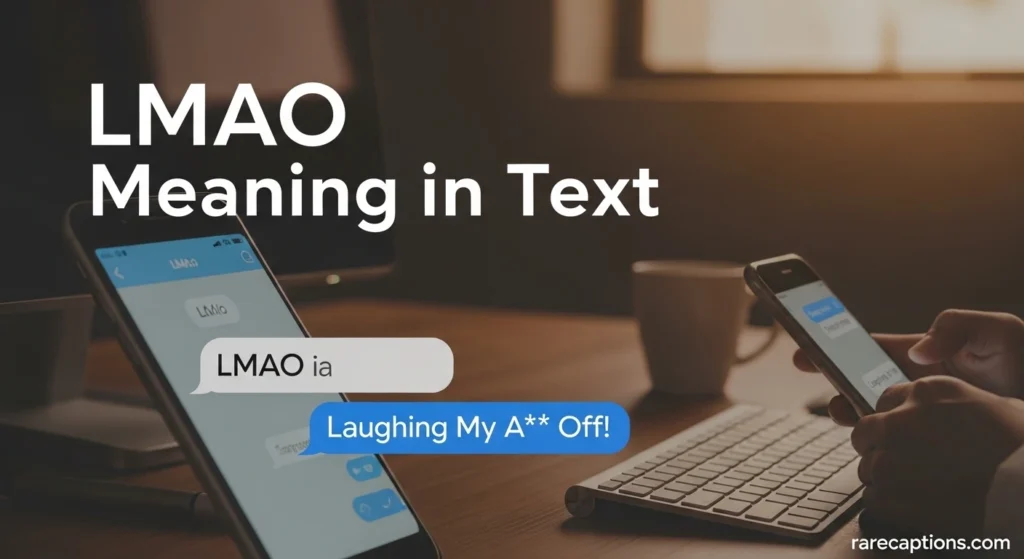
“LMAO” stands for “Laughing My Ass Off.” It’s used in texting and online communication to show that something is extremely funny. While people rarely mean it literally, the phrase expresses strong amusement or intense laughter.
When someone types “LMAO,” they usually want the other person to know they genuinely found something hilarious. It’s stronger than simply saying “lol” because it suggests a bigger emotional reaction. For example, if a friend sends a ridiculous autocorrect mistake or a funny video, replying with “LMAO” communicates a louder, more energetic laugh.
The expression became popular during the early internet and texting era when character limits encouraged shorter communication. Over time, it evolved into a normal part of digital language across different generations and platforms.
People also personalize it in different ways:
- “lmao” for casual texting
- “LMAOOO” for exaggerated laughter
- “LMFAO” for even stronger emphasis
- “Lmaooo stop” to show playful embarrassment
Interestingly, the phrase isn’t always about humor alone. Sometimes it softens tension, fills awkward silence, or adds friendliness to a conversation. Someone may say “LMAO” even when they only smiled slightly because the expression helps maintain emotional warmth in texting.
That flexibility is part of why it remains so popular years after becoming mainstream internet slang.
Why LMAO Became So Popular Online
The internet moves quickly, and people naturally search for faster ways to express emotions. “LMAO” became popular because it delivers a strong emotional reaction using only four letters.
In face-to-face conversations, people rely on body language, facial expressions, and tone of voice. But texting removes those emotional clues. Without them, messages can feel cold or confusing. Abbreviations like “LMAO” help replace those missing emotional signals.
Imagine receiving a joke without any reaction afterward. You might wonder whether the other person understood it or found it funny at all. A simple “LMAO” instantly solves that uncertainty.
The Rise of Internet Humor
As memes, viral videos, and social media exploded, people needed quick ways to react. “LMAO” became a universal digital laugh. It worked across cultures, age groups, and online communities.
From gaming chats to TikTok comments, the expression spread because it was simple, expressive, and easy to type.
Emotional Speed in Modern Communication
Today’s conversations happen rapidly. People send dozens or even hundreds of messages daily. Typing full emotional responses every time would feel exhausting. “LMAO” provides emotional efficiency.
Instead of writing: “That was one of the funniest things I’ve seen today.”
People simply type: “LMAO.”
The meaning still feels clear and emotionally effective.
The Difference Between LMAO, LOL, and ROFL
Many people use internet laughter terms interchangeably, but each one carries a slightly different emotional intensity.
“LOL” usually means mild amusement. Sometimes people use it almost automatically, even when they are not actually laughing. It often functions as a conversational softener.
Example: “lol that’s crazy”
In contrast, “LMAO” suggests stronger laughter or a more emotional reaction.
Example: “LMAO I can’t believe you said that”
Then there’s “ROFL,” which means “Rolling On the Floor Laughing.” While it was once extremely popular, it now feels somewhat outdated to many younger users.
Emotional Intensity Levels
Here’s how many people subconsciously interpret these expressions:
- LOL = slight laugh or friendliness
- LMAO = genuinely funny
- ROFL = exaggerated or old-school internet humor
Of course, context matters. Some people use “LMAO” casually without truly laughing hard, while others reserve it for genuinely hilarious moments.
Why Tone Matters
A single abbreviation can completely change depending on punctuation and capitalization.
Compare these:
- “lmao”
- “LMAOOO”
- “LMAO???”
- “lmao stop”
Each version creates a different emotional atmosphere. Digital communication relies heavily on these subtle variations.
How People Use LMAO in Everyday Conversations
One reason “LMAO” survives while many internet slang terms disappear is because it adapts easily to real-life communication styles.
People use it in countless situations:
- Reacting to jokes
- Responding to memes
- Easing awkward moments
- Showing surprise
- Flirting playfully
- Lightening tense conversations
Consider a scenario where a friend accidentally sends an embarrassing voice note. Instead of making the moment uncomfortable, someone replies: “LMAO that made my day.”
The phrase shifts the energy from embarrassment to shared humor.
In Friendships
Among close friends, “LMAO” often creates emotional closeness. Shared laughter strengthens social bonds, even through screens.
A simple late-night exchange filled with memes and “LMAO” reactions can make people feel connected despite physical distance.
In Group Chats
Group conversations move quickly, so short reactions matter. “LMAO” allows users to participate instantly without slowing the flow of discussion.
It becomes a social signal: “I’m engaged, entertained, and part of the moment.”
When LMAO Can Sound Rude or Insensitive
Although “LMAO” usually feels harmless, context can dramatically change how people interpret it.
Imagine someone sharing a serious frustration: “I failed my driving test today.”
If another person replies: “LMAO”
The response suddenly feels dismissive or cruel.
Text lacks facial expressions and vocal tone, so misunderstandings happen easily. A phrase intended playfully may come across as insensitive depending on timing and emotional context.
Humor Versus Mockery
There’s a subtle difference between laughing with someone and laughing at them.
For example: “LMAO that story is hilarious”
Feels supportive.
But: “LMAO you’re so bad at this”
May sound mocking or insulting.
Understanding emotional timing is essential when using internet slang.
Professional Settings
Using “LMAO” in professional communication can also feel inappropriate unless the environment is extremely casual. In work emails, formal conversations, or discussions with unfamiliar people, the expression may appear immature or overly informal.
Digital language works best when matched carefully to the situation and audience.
The Psychology Behind Digital Laughter
Human beings naturally crave emotional connection. Even through phones and screens, people want to feel understood, appreciated, and emotionally synchronized with others.
“LMAO” acts as a small but powerful emotional cue. It tells someone: “I reacted emotionally to what you shared.”
That reaction creates validation.
Why Shared Laughter Matters
Psychologists often describe laughter as social glue. People bond faster when they laugh together. Even digital laughter can create feelings of closeness and belonging.
Think about online friendships formed through gaming communities or meme pages. Repeated humorous interactions help strangers feel familiar over time.
Emotional Safety in Conversations
Sometimes people use “LMAO” not because something is extremely funny, but because humor feels safer than vulnerability.
For example: “LMAO my life is falling apart.”
The phrase softens emotional honesty with humor. It allows people to express stress while avoiding full emotional exposure.
This blend of comedy and vulnerability has become deeply common in internet culture.
How Younger Generations Use LMAO Differently
Language constantly evolves, and younger generations often reshape slang meanings over time.
Teenagers and young adults may use “LMAO” far more casually than older users. In some conversations, it barely signals actual laughter anymore. Instead, it functions as conversational energy.
For example: “LMAO why are you awake at 3am”
The speaker may not literally be laughing loudly. They’re using the phrase to create a relaxed, playful tone.
The Influence of Meme Culture
Modern humor is deeply influenced by irony, absurdity, and exaggeration. Online culture thrives on reactions that feel dramatic or emotionally amplified.
That’s why people often stretch the word:
- “LMAOOOO”
- “LMFAOOOO”
- “lmaooo stoppp”
These exaggerated forms mimic the emotional intensity of real laughter.
Emotional Layering
Younger users also combine humor with embarrassment, disbelief, or sarcasm.
Example: “LMAO I hate this class.”
The phrase communicates frustration while keeping the tone light and socially comfortable.
The Evolution of Internet Slang and Text Language
“LMAO” belongs to a larger history of internet communication that transformed how people express themselves online.
In the early texting era, limited character counts encouraged abbreviations:
- BRB
- OMG
- IDK
- LOL
- LMAO
These shortcuts saved time and reduced typing effort. But over time, they became cultural symbols rather than mere abbreviations.
From Convenience to Identity
Today, texting style reflects personality. Some people use lowercase letters for softness. Others use exaggerated punctuation or emojis for emotional emphasis.
Similarly, the way someone uses “LMAO” can reveal humor style, age group, or online habits.
Slang as Social Belonging
Internet language also creates group identity. Shared slang makes people feel part of a digital community.
When someone understands expressions like “LMAO,” they participate more naturally in modern online culture. It becomes part of social fluency in the digital age.
Common Misunderstandings About LMAO
Many misunderstandings happen because people assume internet slang always carries literal meaning.
Someone may type “LMAO” while barely smiling. Another person might reserve it only for genuinely hilarious moments. These personal differences create confusion.
Assuming Emotional Intensity
One common misunderstanding is believing every “LMAO” represents uncontrollable laughter.
In reality, many people use it habitually as conversational filler or emotional softener.
Generational Differences
Older users sometimes interpret “LMAO” more literally or view it as rude language because of the phrase’s wording. Younger users often see it as harmless internet vocabulary.
This generational gap can create awkward moments, especially in mixed-age conversations.
Mistaking Sarcasm for Sincerity
Tone also matters heavily.
Example: “LMAO sure you did.”
This version may communicate skepticism or sarcasm rather than genuine amusement.
Understanding digital tone requires paying attention to the surrounding conversation, relationship dynamics, and writing style.
How LMAO Changes Tone in Text Messages
Text messages often feel emotionally flat without tone indicators. “LMAO” helps shape how messages are emotionally received.
Consider this sentence: “You’re ridiculous.”
Without context, it could sound angry.
Now compare: “You’re ridiculous lmao”
Suddenly, the message feels playful and affectionate.
Softening Conversations
People frequently use “LMAO” to soften teasing, criticism, or awkward comments.
For example: “LMAO you forgot again”
This feels lighter than: “You forgot again.”
The abbreviation reduces emotional harshness.
Keeping Conversations Flowing
Online conversations sometimes risk becoming dry or robotic. Reactions like “LMAO” maintain conversational rhythm and warmth.
Even brief responses feel emotionally active when slang expressions are included.
This is especially important in long-distance friendships, online dating, or social media interactions where emotional tone matters greatly.
Situations Where Using LMAO Makes Sense
Not every situation calls for internet slang. Knowing when to use “LMAO” helps conversations feel more natural and respectful.
Casual Conversations
The expression works best among friends, siblings, classmates, gaming communities, or relaxed online environments.
Example: “LMAO that video was insane.”
This feels perfectly natural in casual texting.
Reacting to Humor
Memes, jokes, funny mistakes, and playful storytelling are ideal situations for “LMAO.”
It acts as a quick emotional reaction that encourages continued interaction.
Lightening Minor Embarrassment
Sometimes humor helps reduce awkwardness.
If a friend trips while telling a story and laughs at themselves, responding with “LMAO” can reinforce shared humor rather than embarrassment.
The key is emotional awareness. People appreciate laughter when it feels supportive instead of mocking.
Situations Where You Should Avoid Using LMAO
Digital communication becomes healthier when people recognize emotional boundaries.
There are moments where “LMAO” may create misunderstanding, disrespect, or emotional distance.
Serious Emotional Conversations
If someone discusses grief, anxiety, heartbreak, or personal struggles, internet laughter abbreviations may feel dismissive.
Even accidental misuse can hurt someone emotionally.
Formal Communication
Professional emails, academic discussions, or conversations with authority figures usually require clearer and more respectful language.
While casual workplaces sometimes tolerate slang, overusing “LMAO” may reduce professionalism.
Sensitive Topics
Humor doesn’t always translate well through text. During conflicts or emotionally tense conversations, “LMAO” might appear sarcastic or defensive.
Sometimes a thoughtful response matters more than a quick humorous reaction.
The Cultural Impact of LMAO in Modern Communication
It’s fascinating how four simple letters became part of global communication culture.
“LMAO” represents more than laughter. It symbolizes how technology reshaped emotional expression itself.
Digital Emotion Has Its Own Language
In the past, emotional expression relied mostly on spoken interaction. Now people communicate entire moods through abbreviations, emojis, gifs, and memes.
“LMAO” became part of this emotional shorthand system.
Humor as Social Currency
Online culture rewards humor constantly. Funny tweets, relatable memes, and entertaining reactions spread rapidly because people enjoy shared emotional experiences.
Using expressions like “LMAO” helps users participate in that culture naturally.
A Reflection of Human Adaptability
Language evolves alongside technology. Just as past generations created slang in spoken conversation, internet users created digital expressions suited for fast communication.
“LMAO” reflects humanity’s ability to adapt language creatively while still preserving emotional connection.
What LMAO Reveals About Human Communication
At first glance, “LMAO” seems like simple internet slang. But underneath it lies something surprisingly human.
People want connection. They want reactions. They want to feel heard and emotionally understood.
When someone sends a joke, meme, or story, receiving “LMAO” provides instant validation. It confirms emotional engagement.
The Need for Shared Reactions
Humans naturally seek shared emotional experiences. Laughing together strengthens relationships, builds trust, and reduces social distance.
Even online, those emotional instincts remain powerful.
Simplicity Can Carry Emotion
One interesting lesson from texting culture is that emotional meaning doesn’t always require long explanations.
Sometimes a short expression communicates warmth more effectively than paragraphs.
“LMAO” may be brief, but it carries tone, mood, energy, and personality in ways people instantly recognize.
That’s why it continues surviving across changing internet trends and evolving social platforms.
Conclusion
Understanding the meaning of “LMAO” in text goes far beyond knowing its literal definition. While it technically stands for “Laughing My Ass Off,” its real value lies in how people use it to express humor, connection, emotional warmth, sarcasm, surprise, and social energy in digital conversations.
Over time, the phrase evolved from a simple internet abbreviation into a cultural communication tool. It helps people replace missing facial expressions, soften conversations, react quickly, and maintain emotional closeness through screens. Depending on context, it can feel playful, supportive, exaggerated, ironic, or even awkward.
The key to using “LMAO” effectively is emotional awareness. Tone, timing, and relationship dynamics all matter. When used thoughtfully, it strengthens conversations and makes online interactions feel more human.
In a world increasingly shaped by texting and digital communication, even a tiny phrase like “LMAO” reveals something meaningful about how people connect, laugh, and share emotions online.
FAQs
What does LMAO mean in texting?
LMAO stands for “Laughing My Ass Off.” People use it to show that something is very funny or entertaining in text conversations and online communication.
Is LMAO stronger than LOL?
Yes, many people consider LMAO a stronger reaction than LOL. While LOL may indicate mild amusement, LMAO usually suggests bigger laughter or stronger emotional humor.
Is it rude to say LMAO?
Not usually, but context matters. It can sound rude or insensitive if used during serious conversations or emotional situations where laughter feels inappropriate.
Why do people type LMAOOO with extra letters?
Extra letters add emotional emphasis. “LMAOOO” often suggests louder laughter, excitement, exaggeration, or playful energy in digital conversations.
Can LMAO be used professionally?
In most formal professional settings, it’s better to avoid using LMAO. Casual workplaces or friendly coworker chats may tolerate it, but formal communication usually requires more professional language.
Do people still use LMAO today?
Yes, LMAO remains widely used across texting, social media, gaming, memes, and online conversations, especially among younger internet users.
What is the difference between LMAO and LMFAO?
LMFAO adds stronger emphasis by including an extra swear word. It usually expresses even more intense laughter or exaggerated humor than LMAO.
Does LMAO always mean someone is actually laughing?
Not always. Many people use it casually to create a friendly tone, soften messages, or keep conversations engaging even when they are not literally laughing hard.